Description
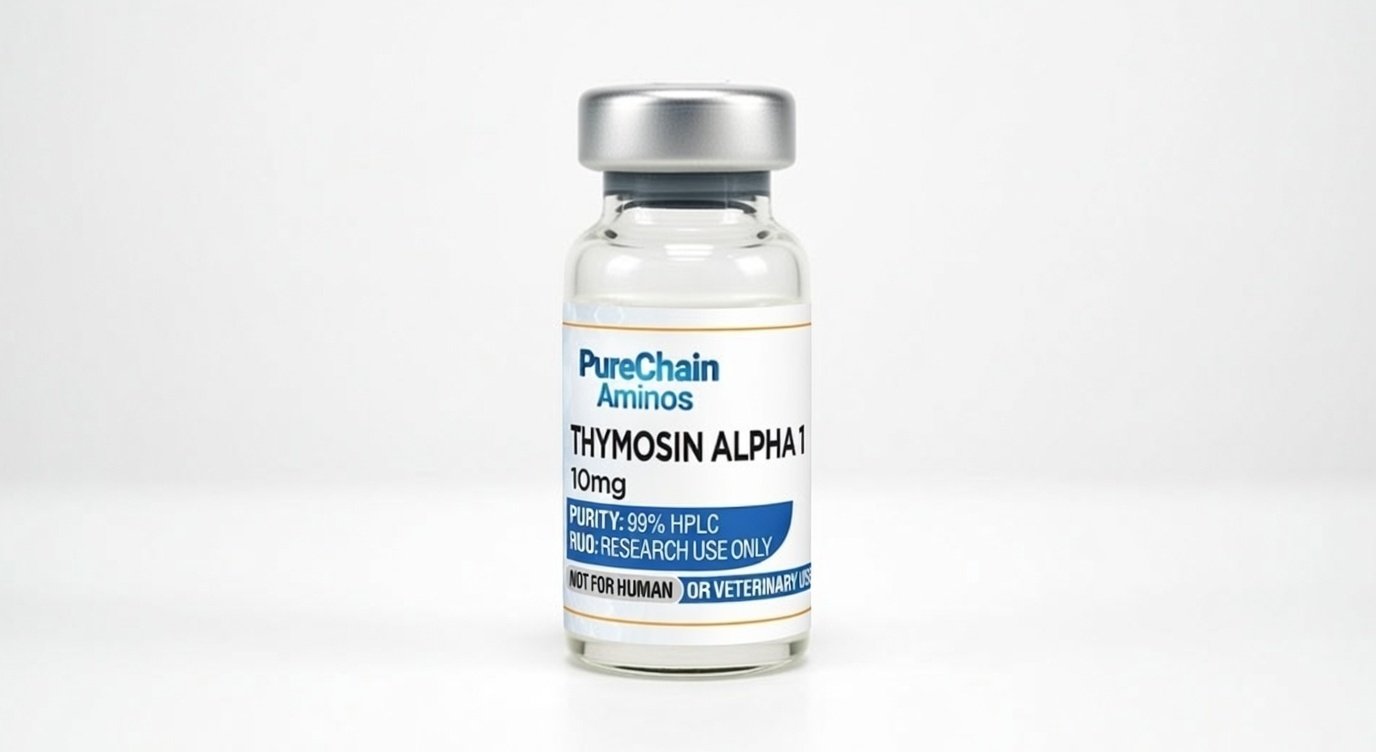
Thymosin alpha-1 (T$\alpha$1) is a 28-amino acid peptide hormone naturally produced by the thymus gland that acts as a potent immune system modulator. It enhances T-cell function, boosts immunity, and reduces inflammation, making it a therapeutic agent for infections (e.g., COVID-19, HIV), chronic hepatitis B/C, and certain cancers.
Key Aspects of Thymosin Alpha 1
Immune Role: It stimulates the adaptive immune response by acting as an agonist for toll-like receptors (TLR2, TLR9) and promotes the differentiation and maturation of T-cells.
Medical Uses:
Infections: Used to treat Hepatitis B, Hepatitis C, HIV, and severe sepsis.
Respiratory Illness: Studied for efficacy in ARDS, SARS, and COVID-19 to reduce mortality and restore lymphocyte levels.
Cancer & Immune Support: Utilized as an adjuvant to enhance vaccine responses (especially in the elderly) and in immunotherapy for various malignancies.
Chronic Diseases: Explored for autoimmune conditions, chronic fatigue syndrome, and Lyme disease.
Administration: It is typically administered via injection, with some formulations available as a nasal spray.
Side Effects: While generally well-tolerated, potential side effects include injection site reactions, nausea, vomiting, fever, and muscle aches.
Mechanism: It acts to restore immune homeostasis,, particularly in immunocompromised states or in scenarios of overactive inflammation, such as in severe viral infections.
As individuals age, the thymus gland shrinks (involution), leading to reduced natural production of thymosin alpha-1 and a weakened immune system, which makes its therapeutic supplementation relevant for addressing immunosenescence.