Description
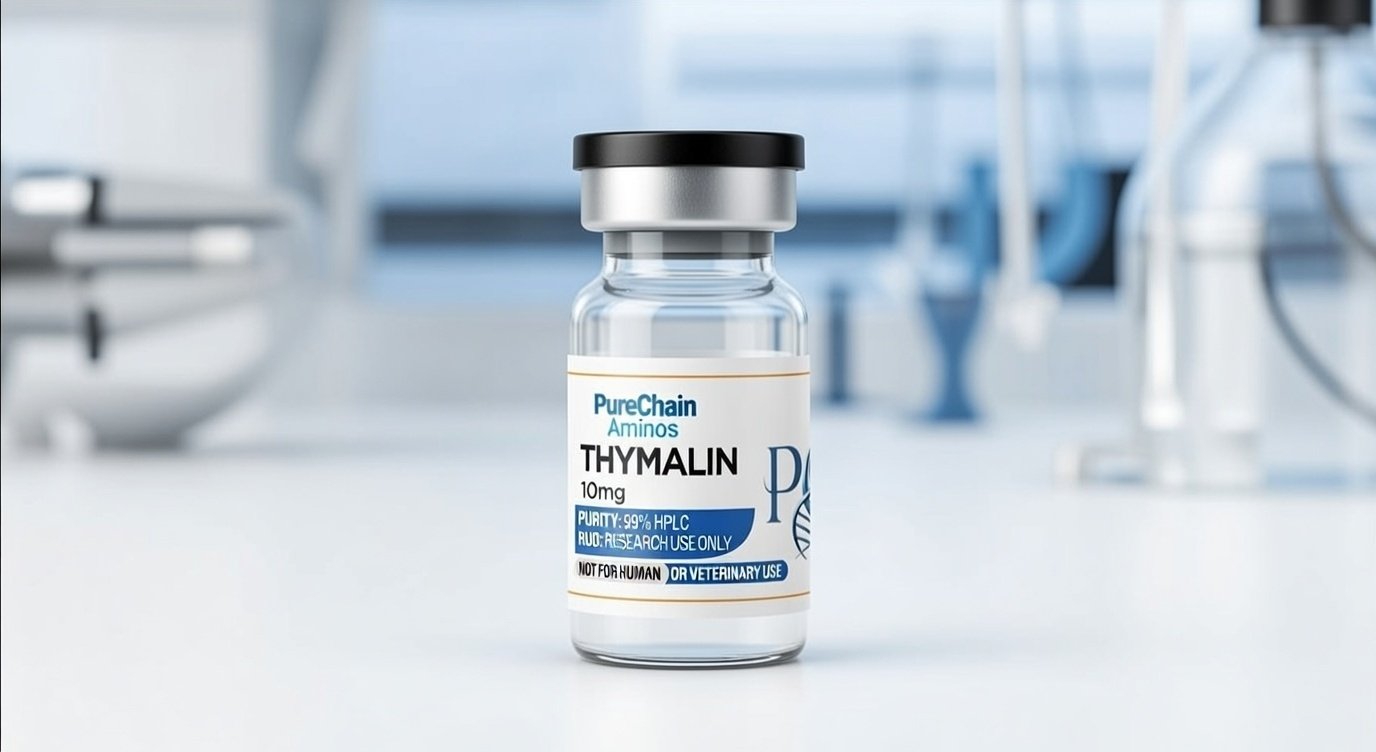
Thymalin is a polypeptide complex derived from the thymus gland of calves, containing short peptides (2-8 amino acids) that regulate immune and hematopoietic (blood-forming) cell functions. Developed in the 1970s in the USSR, it is primarily used in Russia and Eastern Europe as an immunomodulatory drug to treat immune dysfunction, infections, and accelerate tissue regeneration. It is known for its role in stimulating T-lymphocyte differentiation and has been researched for its potential to counteract age-related immune decline (immunosenescence).
Mechanism of Action
Thymalin acts as an epigenetic regulator, where its constituent peptides (specifically KE, EW, and EDP) can penetrate cell nuclei, bind to DNA, and regulate gene expression.
Immune Regulation: It stimulates the thymus to produce T-cells and B-cells, helping restore immune balance.
Hematopoietic Support: It stimulates stem cell differentiation, helping restore red and white blood cell counts after suppression.
Cytokine Modulation: It helps prevent the “cytokine storm” associated with severe infections (e.g., COVID-19) by regulating inflammatory mediators like IL-6.
Key Research & Therapeutic Areas
Immune System Support: Used to treat immunodeficiency states, chronic infections (e.g., tuberculosis), and to boost vaccine responses.
COVID-19: Studies indicate that Thymalin, when used in complex therapy for older patients with severe COVID-19, can reduce mortality, improve T-cell counts, and promote faster clinical recovery.
Anti-Aging & Gerontology: Research from the St. Petersburg Institute of Bioregulation and Gerontology suggested that Thymalin, often combined with Epithalamin, can reduce mortality in elderly patients by 2.0-2.5 times.
Cancer Support: It has been studied as an adjuvant for chemotherapy and radiation to reduce immune suppression.
Other Applications: It has been researched for treating psoriasis, chronic glomerulonephritis (kidney disease), and periodontitis.