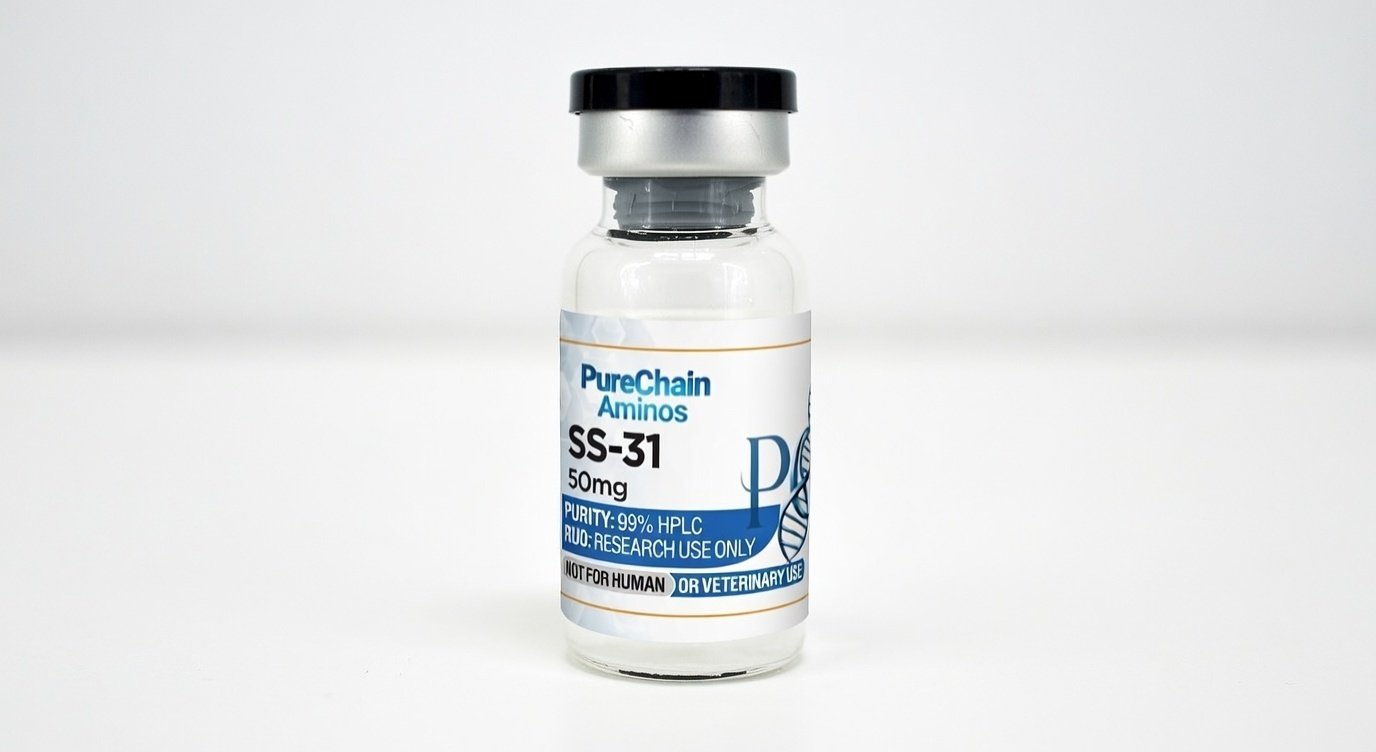
Description
SS-31 (Elamipretide) is a synthetic tetrapeptide that improves mitochondrial function by binding to cardiolipin, reducing reactive oxygen species (ROS), and increasing ATP production. It treats conditions involving mitochondrial dysfunction, including Barth syndrome, heart failure, kidney disease, and neurodegenerative diseases.
Key Details and Benefits
Mechanism of Action: SS-31 specifically accumulates in the inner mitochondrial membrane, where it acts as a powerful antioxidant and prevents the opening of the mitochondrial permeability transition pore, which can lead to cell death.
Targeted Conditions: Research focuses on diseases with oxidative stress, such as primary mitochondrial myopathy, ischemia-reperfusion injury, and diabetic kidney disease.
Clinical Status: SS-31 (as Elamipretide) has received FDA orphan drug designation for Barth syndrome.
Benefits: Potential benefits include enhanced energy production, reduced cellular damage from aging, improved cognitive function, and increased recovery from intense physical activity.
Side Effects and Safety
Information on long-term side effects in humans is limited as it is still in clinical trials. However, it is generally considered to have a high affinity for mitochondria and low, manageable toxicity in animal studies.
Usage and Availability
SS-31 is primarily available through research chemical suppliers for laboratory use and is not approved for general human consumption outside of clinical trials.