Description
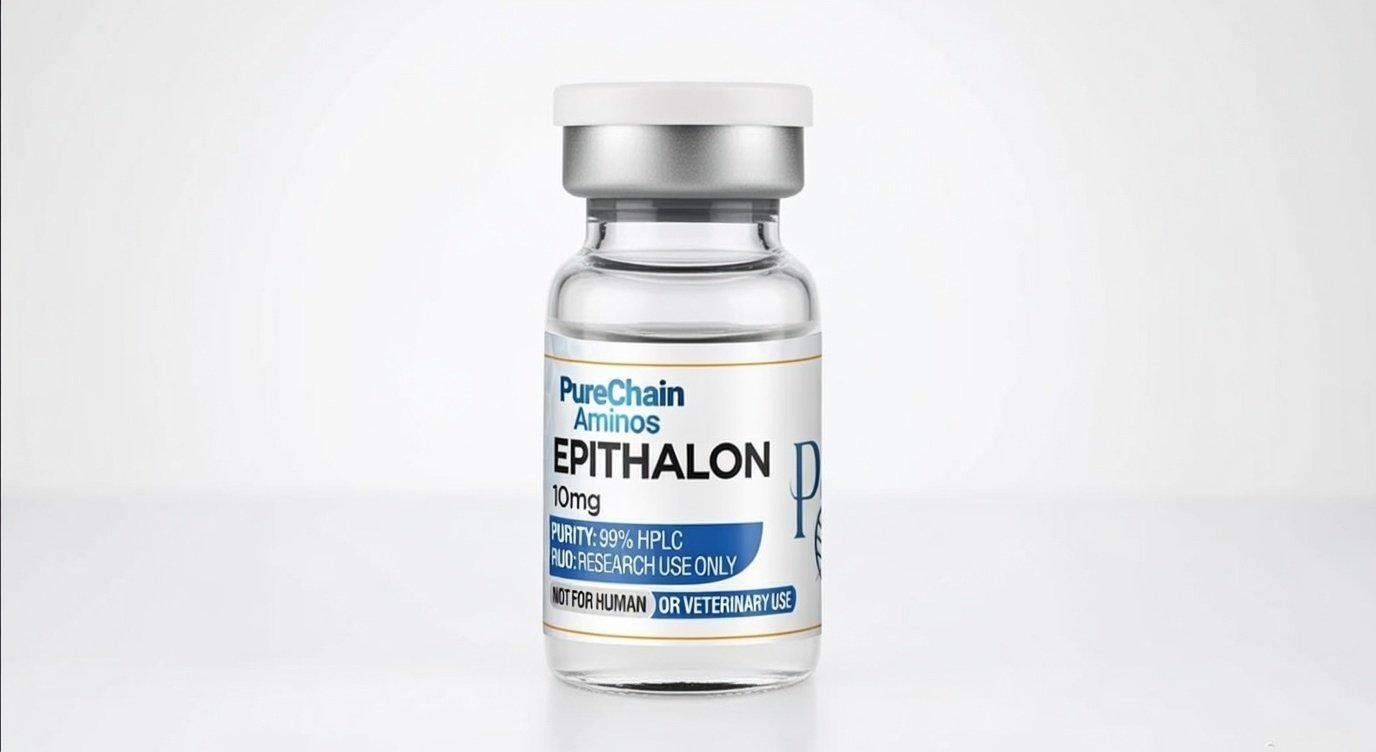
Epithalon (or Epitalon) is a synthetic tetrapeptide (\(Ala-Glu-Asp-Gly\)) designed to stimulate pineal gland function, increase melatonin, and activate telomerase to lengthen telomeres, potentially slowing aging. Studies suggest it promotes cellular regeneration, improves sleep, and increases lifespan in animal models. Typical usage involves 5-10 mg/day for 10-20 days, often via injection. Key Aspects of Epithalon How it Works: Epithalon regulates pineal secretion and encourages the lengthening of telomeres—the protective caps on chromosomes—which prevents damage during cell replication, thus slowing cellular aging. It has been shown to increase \(hTERT\) mRNA expression and telomerase enzyme activity.Benefits: Potential benefits include increased longevity, improved immune function, enhanced sleep patterns, reduced oxidative stress, and potential anti-tumor effects. Human trials showed increased telomere length in patients aged 60-80.History & Origin: Developed in the 1980s by Prof. Vladimir Khavinson, it is based on the pineal gland extract Epithalamin, aiming to mimic its geroprotective effects.Dosage & Administration: Common protocols include 5–10 mg per day for 10–20 days, often repeated 1-2 times per year, administered via subcutaneous or intramuscular injection.Side Effects: While considered relatively safe in studies, potential, though rare, side effects may include headaches, restlessness, vivid dreams, or mild fatigue. It is important to note that many studies were conducted by the same research group, and further independent validation is often considered necessary for some findings.