Description
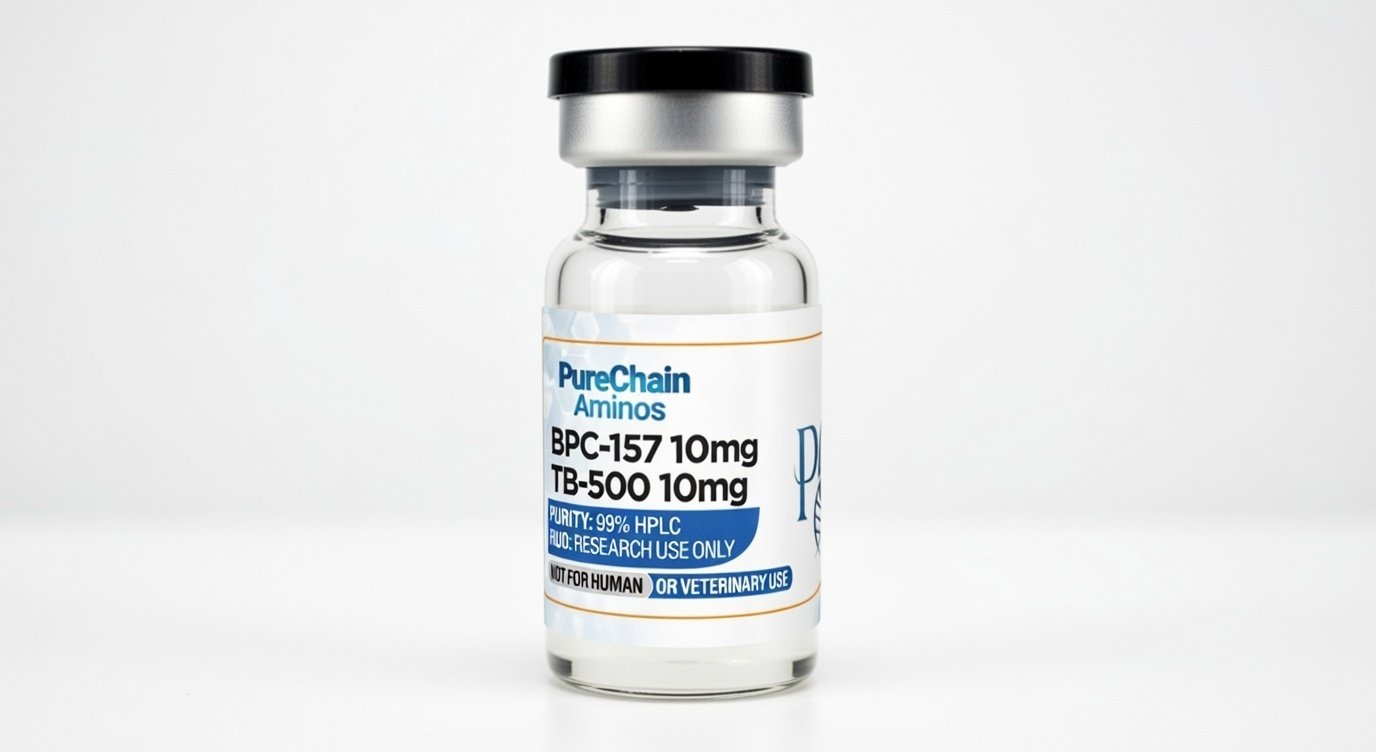
The Wolverine stack is a combination of two peptides, BPC-157 and TB-500, used in regenerative medicine to promote healing and reduce inflammation. Popularly known by this name due to its association with the Marvel character’s healing ability, this protocol is marketed for repairing muscle, tendon, and ligament damage, though it lacks extensive human clinical trials and FDA approval. While proponents claim benefits for injury recovery and performance, potential users should be aware of safety concerns, regulatory questions, and potential bans by sports organizations.
What It Is
BPC-157: A synthetic peptide derived from a protein in gastric juice, studied for its potential to accelerate wound healing and repair tissues.
TB-500: A synthetic version of Thymosin Beta-4, a naturally occurring protein fragment that plays a role in cell migration, blood vessel formation, and tissue repair.
Claimed Benefits
Accelerated healing of muscle, tendon, and ligament injuries.
Reduced inflammation and swelling.
Improved joint mobility and flexibility.
Enhanced recovery from strenuous activity and surgery.
Important Considerations
Lack of Human Trials: While preclinical studies show promise, there is insufficient human data to definitively prove its safety or efficacy for various conditions.
Regulatory Status: BPC-157 is not approved by the FDA and is a prohibited substance for sports organizations like the World Anti-Doping Agency and the NCAA.
Sourcing Risks: Peptides purchased online may not be compounded by a licensed pharmacist, potentially leading to contamination, infection, or toxicity.
Consult a Professional: Because these are experimental compounds, it is crucial to consult a qualified healthcare provider trained in musculoskeletal injuries and injections before considering this therapy.